The many questions and considerations when managing IP
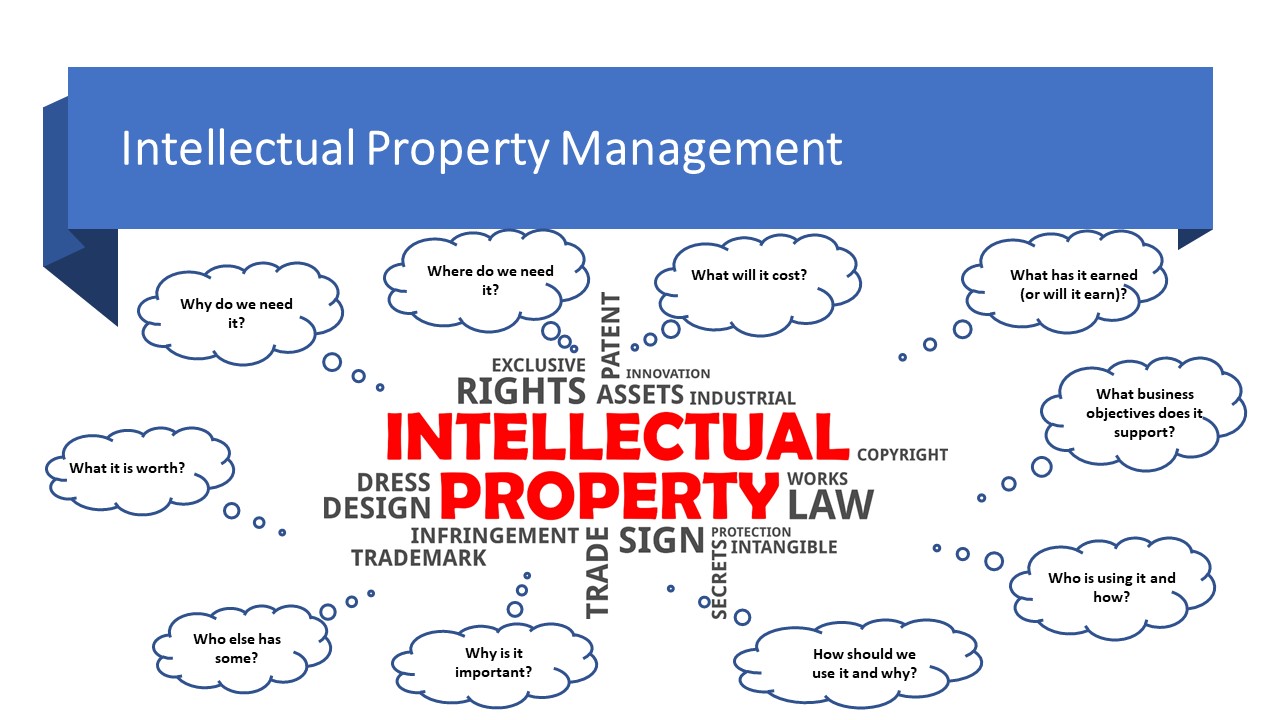
Intellectual Property (IP) can be commercialised through various means:
1. Start a new company to develop and sell the new product, service or system.
2. License the IP to a company or companies for royalties, so that they can manufacture, market and distribute it.
3. Assign (sell) the IP, like how you sell a house or car.
4. Protect the IP but do not commercialise (this is a conversation for another time!).
5. Do nothing. This really is not a commercialisation method; it is a missed opportunity.
Most often, we hear about patenting an invention but not all commercially viable ideas can be or should be patented. They are many other ways to protect IP, depending on its nature and the type of commercialisaion sought.
The table below gives some of the pros and cons of the main types of IP protection.
Different Forms of IP Protection
| Protection of Rights |
Advantages |
Disadvantages |
| Patents |
- Strong monopoly right, thus financial advantage
- Infringement difficult
- Portfolio can be used as collateral
- Rights can be licensed or assigned
- Better for technological innovations
|
- Protection only lasts 20 years
- Full disclosure required at filing, exposing information to the public for around 2.5 years
- Complexity
- High cost
- Renewals required
- Expensive to enforce
|
| Trade Secret |
- Protects proprietary know-how
- Immediate, indefinite protection
- No formal filing or fees
- Complimentary to patent
- Can be used while awaiting patent approval
- No disclosure
- Better for protecting manufactured processes
|
- Difficulty in protecting secret
- Reverse engineering is possible by competitors
- Enforcement is difficult and expensive
- Protection is not uniform internationally
- Once secret revealed, there is no protection
|
| Copyright |
- Protects original works of authors
- Immediate protection after fixed in a tangible medium
- Rights can be licensed or assigned
- Best functionality at an early stage of market entry
- An important asset
- Complements other types of IP
|
- Protection for life of author plus 50 years after in Barbados
- No formal system of registration (in Barbados)
- Difficult to protect in digital platforms
- Does not protect the underlying idea only expression of the idea
- Enforcement is costly
- ‘Fair use’ – exceptions to copyright
|
| Industrial Designs |
- Protects manufacturing designs
- A company can protect and therefore enhance its brand
- Can license or sell
- Complements other IP
|
- Protection for relatively short duration of 10 - 15 years
- Costly
- Complex filing requirements
- Renewals required
- Territorial limitations
- Compulsory licenses (for greater good)
|
| Trademark |
- Can secure the uniqueness of the brand and distinguish it from competitors
- Can help maintain brand loyalty after patent expires
- Compliments other forms of protection
- Wide range of expressions can be protected
- Indefinite protection
- Includes ‘Geographical Indications’
- Cost is relatively low
- Once registered, is a tangible asset
|
- Must be heavily marketed
- Weak form of protection
- Protection is mainly for marketing strategy
- Must be very distinct
- Can be easily challenged for similarities
- Not easy to litigate
- Renewal fees required
- Territorial limitations
|
| Traditional Knowledge |
- Has high value in biotechnologies
- Informs other types of IP
- Lends to collaboration
- Preservation of ancestral knowledge
|
- Knowledge is disclosed
- Subject to ‘biopiracy’: unfair acquisition and inequitable distribution of benefits to indigenous populations
- Difficult to protect
- Difficulty to clearly establish ownership
- This ‘living knowledge’ is yet to be fully appreciated by the IP fraternity.
|
For more information on Intellectual Property, visit the website of the
World Intellectual Property Organization (WIPO). Visit their
Education and Training Academy for online courses.


