

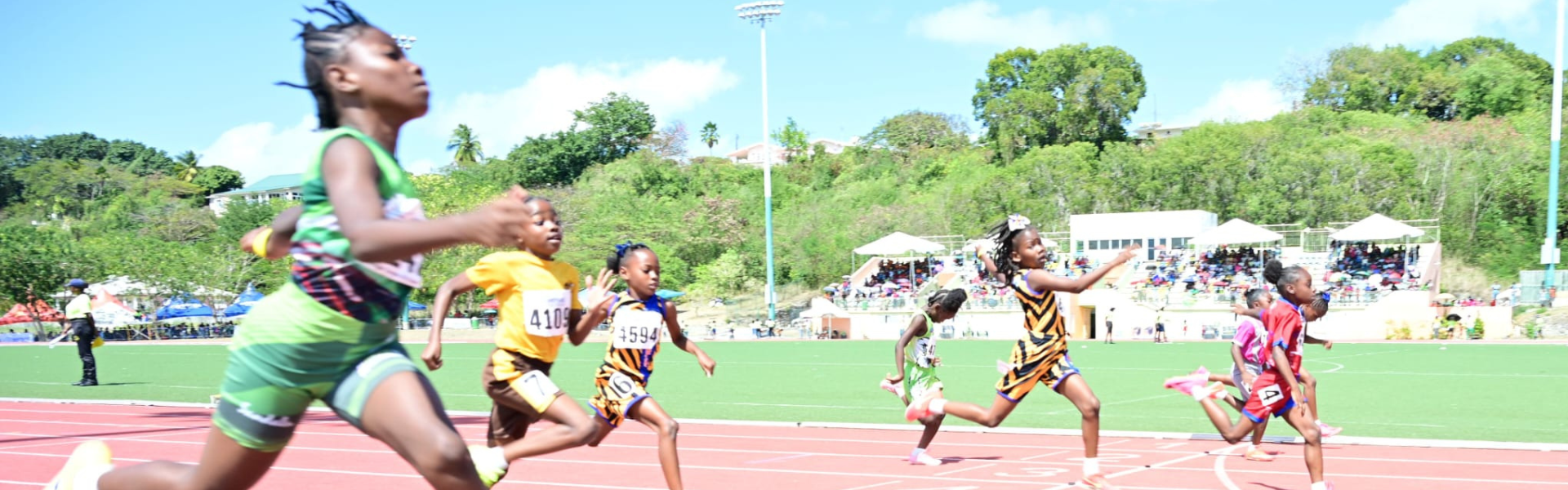
How children experience physical education in their earliest years could have lasting implications for their health. New research from The University of the West Indies (The UWI), Cave Hill campus examines current practices across the Caribbean and points to the need for a more developmentally appropriate approach.
Neela Cezair-Valema, a recent Master of Science graduate in Sport Science from The UWI’s Faculty of Sport, has completed a study examining the role of physical literacy in shaping sport, physical activity, and physical education among children aged four to 11. Her work, which was supervised by Dr. Rudolph Alleyne, focuses on four Caribbean nations: Antigua and Barbuda, Barbados, Jamaica, and Trinidad and Tobago.
At the heart of the research is the concept of physical literacy, which goes beyond traditional sports training. It includes the confidence, motivation, movement skills, knowledge, and understanding needed for individuals to stay active throughout their lives. Unlike conventional models that emphasise competition and performance, physical literacy promotes movement as an enjoyable and meaningful part of everyday living.
Key Findings Across the Region
Using a qualitative approach, Cezair-Valema analysed national physical education curricula, and conducted interviews with physical education specialists and senior education administrators.
Her findings reveal that while elements of physical literacy exist in current systems, they are not consistently implemented as the central philosophy guiding physical education.
In many cases, programmes include fundamental movement skills and health-related knowledge. However, these components are often delivered inconsistently, without a structured developmental pathway that supports children across different stages of growth.
The study also highlights clear differences among the four countries. These include variations in when physical education is introduced in schools, the consistency of movement development programmes, and the degree to which physical literacy principles are intentionally embedded into teaching practices.
As a result, while many children are exposed to physical activity, they may not be adequately supported in developing the confidence, enjoyment, and competence needed to sustain active lifestyles over time.
Moving Beyond Competition
One of the main arguments of the study is the need to rethink how physical activity is presented to young children. According to Cezair-Valema, systems that prioritise competition and athletic performance may unintentionally exclude or discourage some students at an early age.
By contrast, a physical literacy approach encourages inclusive and developmentally appropriate experiences, helping all children build positive relationships with movement regardless of athletic ability.
“Early childhood experiences play a crucial role in shaping lifelong attitudes toward physical activity,” the research suggests, emphasising the importance of creating environments where children feel confident and motivated to move.
A Call for Regional Collaboration
The findings point to a broader need for collaboration across Caribbean education systems. Cezair-Valema’s research supports the development of a shared regional framework for physical literacy within primary school curricula.
Such an approach could standardise best practices, improve programme consistency, and ultimately contribute to better health outcomes. By fostering more active lifestyles from an early age, Caribbean nations may also reduce long-term health risks and strengthen physical wellbeing.
This research presents a compelling case for change as policymakers and educators consider the future of physical education in the region.


