
Faculty of Humanities and Education
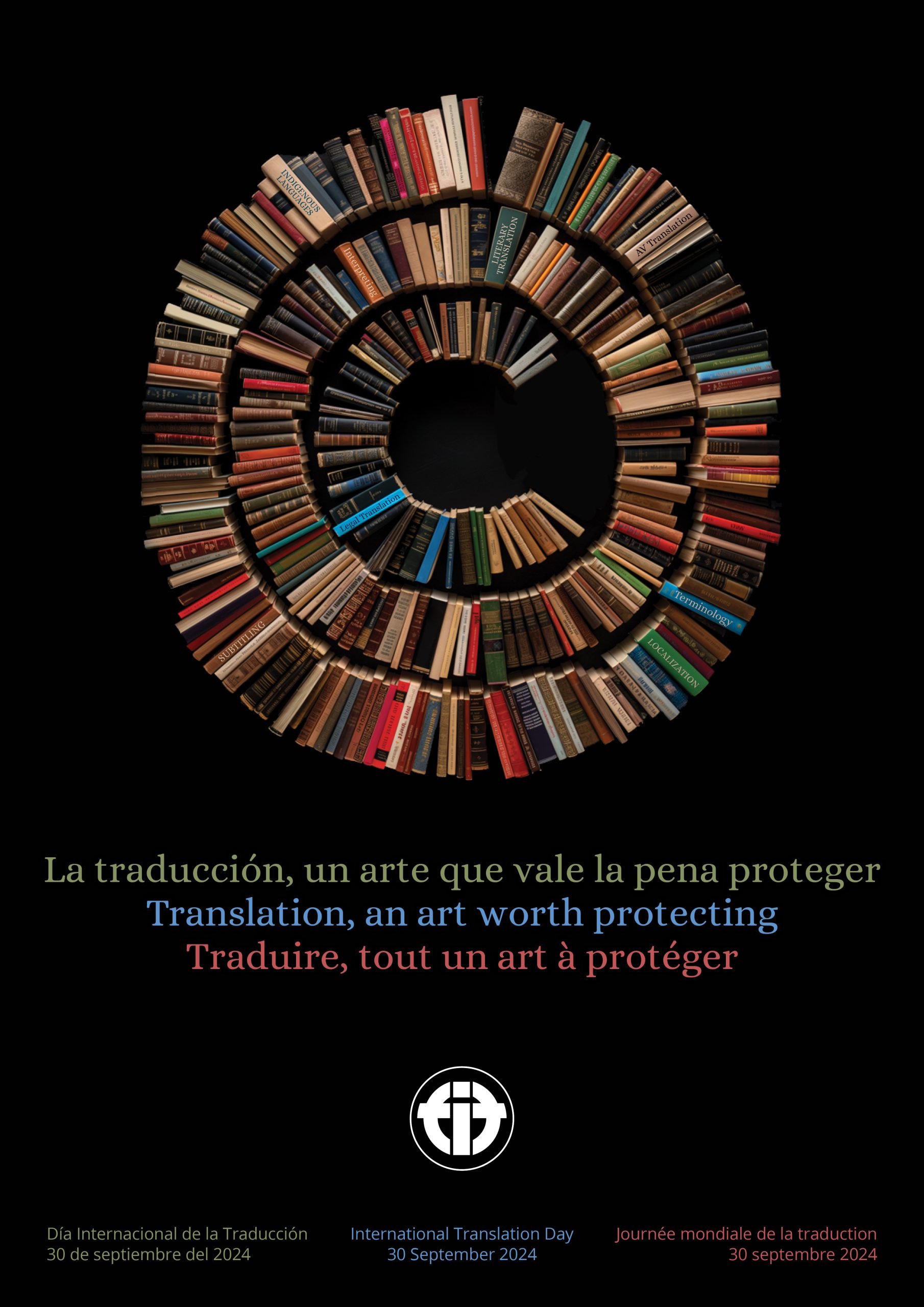
In 2017, with the 71st Session of the United Nations General Assembly unanimously adopting Resolution A/RES/71/288, recognising the role of professional translation in connecting nations, and fostering peace, understanding and development, the United Nations General Assembly declared 30 September to be UN International Translation Day, celebrated across the entire UN network. It honours the contribution of professional translators, interpreters and terminologists in connecting nations, and fostering peace and global development and emphasises translation’s important political and cultural role in multilateralism and multilingualism.
Inspired by issues surrounding copyright, the theme for International Translation Day 2024 is “Translation, an art worth protecting”. The theme calls for us to protect translation as an art, protect copyright and related rights, and protect our livelihoods, thereby ensuring the future and sustainability of our profession. It embraces the recognition of translations as original creative works in their own right, owed the benefit of copyright protection under the Berne Convention. As the creators of derivative works, translators have fought to protect their moral rights to be credited for their translation work, control any changes to that work, and receive appropriate remuneration. Protecting these simple things will ensure a sustainable future for translation professionals and the historic art of translation itself.
Copyright-related issues extend far into all areas of the profession, including the use of translations in the cultural sector, literary translation, publishing and legal translation. With the development of AI and the expansion of the digital sphere, the implications of copyright for translators, interpreters and terminologists have increased exponentially. Attribution of translation in the digital sphere is more and more crucial, in addition to allowing translators to receive recognition for their efforts, it clearly signals the source of a text, identifying it as human rather than AI generated content.
Join us in celebrating translation as an art worth protecting.


